
Restoring Sight. Restoring Dignity.
Morocco Vision Mission Hub
Follow ADVF’s work with AMMS in Morocco: completed missions, current volunteer opportunities, and the development of sustainable vision care.
The Foundation of Our Work
Cataracts remain a leading cause of preventable blindness globally, particularly in rural regions where access to specialized ophthalmology is scarce. Our initiatives are designed not just as temporary interventions, but as sustainable capacity-building programs.
The Andrew Dougherty Vision Foundation is a U.S. 501(c)(3) nonprofit founded by Dr. Paul Dougherty and working to eliminate preventable blindness worldwide by 2050.
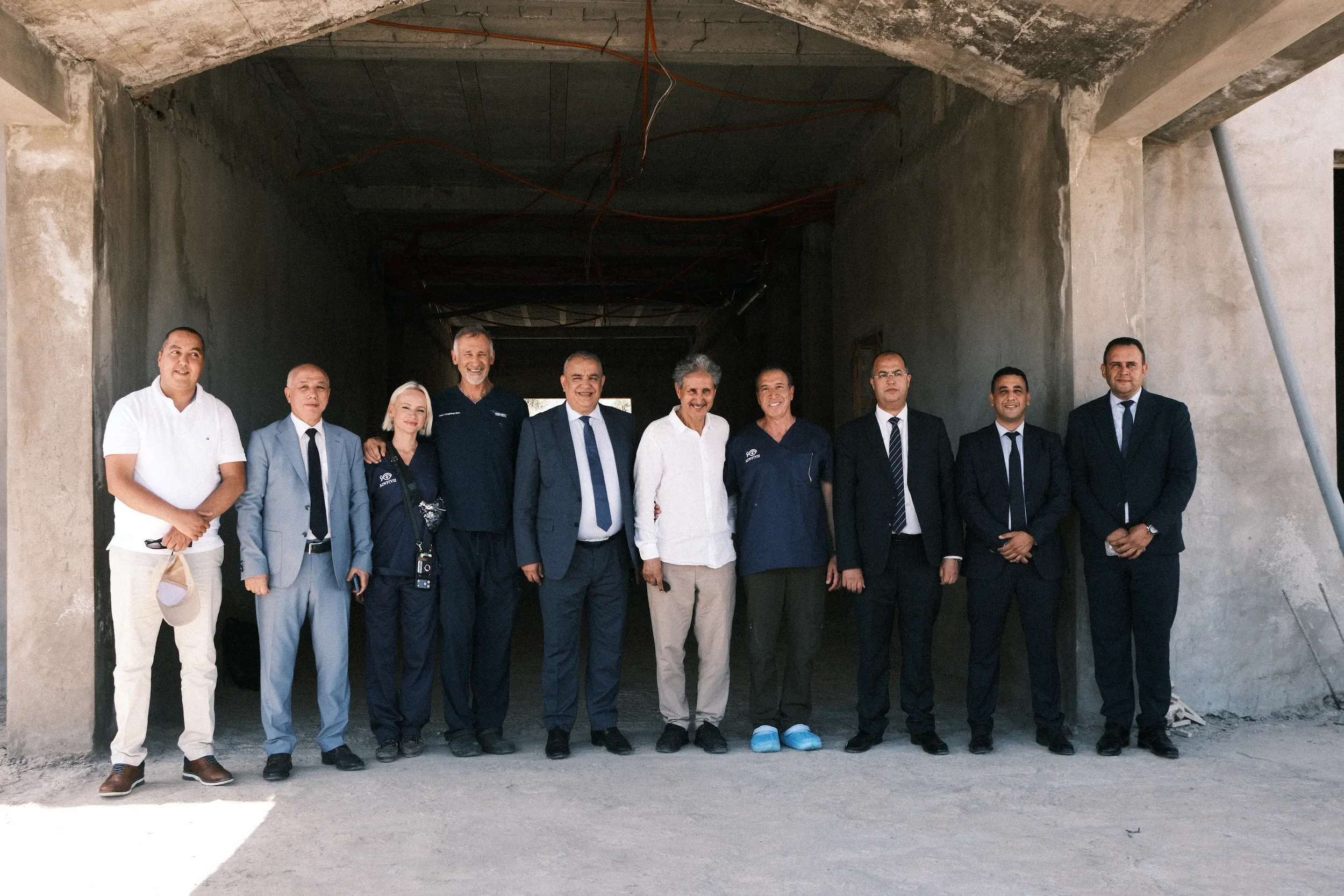
In Morocco, ADVF works alongside the Association Marocaine Médicale de Solidarité (AMMS), which leads local clinical services and field coordination. ADVF supports the partnership through clinical expertise, volunteers, equipment, fundraising, and communications.
Our Morocco Mission History
Our Morocco work continues beyond a single visit. Following missions in December 2025 and June 2026, ADVF is preparing for the next mission in Ksar El Kebir on October 23–25, 2026, with AMMS and local clinical teams.
2025 — Completed
Morocco Vision Mission
ADVF's inaugural Morocco mission brought free cataract surgeries to patients in the Chefchaouen province — restoring sight to individuals who had waited years for care. The mission was made possible in part by generous supporters who attended the Morocco Gala fundraiser.
June 2026 — Completed
Morocco Vision Mission
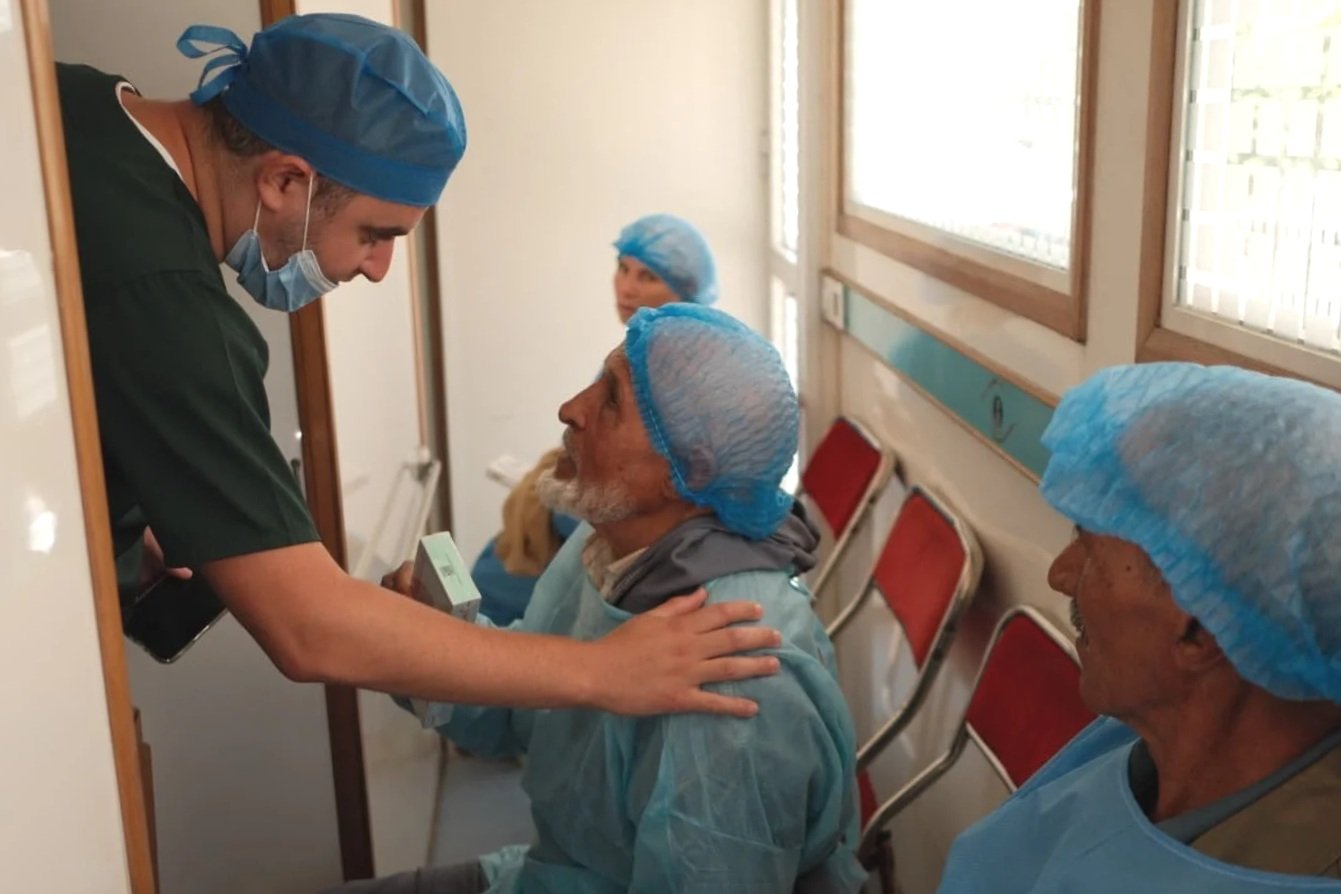
In June 2026, ADVF and AMMS supported 231 cataract surgeries across Tiddas and Moulay Bouazza: 97 in Tiddas and 134 in Moulay Bouazza. The mission brought together international volunteers and Moroccan clinical teams.
Explore Our Morocco Programs
Explore completed missions and patient stories below. To apply for the October 23–25, 2026 mission or join the roster for future trips, visit Volunteer Morocco.
2026 Mission
Information on our most recent June 2026 high-volume surgical mission across Tiddas and Moulay Bouazza.
2026 Mission Updates:
2025 Mission
A look back at ADVF’s December 2025 mission in the Chefchaouen province and the community support that helped make it possible.
More Mission Stories
Support Our Missions
Every mission begins with community support. Donate to fund cataract surgeries for patients who need it most.
Fund Cataract Surgery in Morocco →
Past Fundraising
Frequently Asked Questions About the ADVF Morocco Mission
-
The ADVF Morocco Mission is a humanitarian eye care initiative led by the Andrew Dougherty Vision Foundation (ADVF). The mission brings together ophthalmologists, surgeons, clinicians, and healthcare partners to provide sight-restoring care, cataract surgeries, vision screenings, and long-term eye health support to underserved communities throughout Morocco.
-
Morocco represents an important opportunity to expand access to quality vision care in communities where preventable blindness and visual impairment continue to impact education, employment, and quality of life. ADVF works alongside local healthcare professionals and partners to strengthen sustainable eye care capacity while delivering immediate sight-restoring interventions.
-
The mission primarily focuses on conditions that can be effectively treated through modern ophthalmic care, including:
Cataracts
Refractive errors
Visual impairment related to aging
Preventable causes of blindness
Other ophthalmic conditions identified during patient screenings
Treatment plans are determined by qualified medical professionals based on each patient's needs.
-
Patient volume varies by location, available resources, and clinical needs. Through coordinated surgical missions and community outreach programs, ADVF strives to maximize the number of individuals who receive screenings, consultations, treatments, and sight-restoring procedures while maintaining high standards of care.
-
Yes. A core objective of the Morocco Mission is collaboration with local physicians, healthcare facilities, clinicians, and community leaders. By working alongside local partners, ADVF helps strengthen long-term healthcare capacity and ensures lasting benefits beyond the mission itself.
-
ADVF's approach extends beyond providing temporary medical services. The foundation focuses on:
Training and knowledge sharing
Clinical collaboration
Technology transfer
Capacity building
Long-term healthcare partnerships
This model helps communities continue benefiting from improved eye care services after the mission concludes.
-
The mission involves a multidisciplinary team that may include:
Ophthalmologists
Cataract surgeons
Optometrists
Nurses and technicians
Healthcare administrators
Volunteers
Strategic partners and sponsors
Together, these professionals support patient care, education, and mission logistics.
-
The mission is supported through charitable donations, philanthropic partners, corporate sponsorships, and strategic collaborations. These contributions help fund medical supplies, surgical equipment, patient care services, training initiatives, and mission operations.
-
Yes. ADVF welcomes qualified healthcare professionals interested in supporting future international vision initiatives. Medical specialists, clinical staff, and mission support volunteers may be eligible to participate based on mission needs and available opportunities.
-
Donors can help expand access to sight-restoring care by supporting mission operations, patient services, medical equipment, surgical programs, and training initiatives. Every contribution helps advance ADVF's mission to eliminate preventable blindness and improve vision health worldwide.
-
The Morocco Mission combines humanitarian service, ophthalmic innovation, local partnership development, and sustainable healthcare capacity building. Rather than focusing solely on short-term interventions, ADVF seeks to create measurable and lasting improvements in vision care access for the communities it serves.
-
The Morocco Mission is part of ADVF's broader commitment to eliminating preventable blindness worldwide by 2050. Each mission contributes to expanding access to quality eye care, strengthening local healthcare systems, and restoring opportunities for individuals whose lives are affected by vision loss.